Uber Eats vs DoorDash for restaurant owners
An owner's comparison of the two largest US delivery platforms, not a driver or diner guide.
- Compare DoorDash and Uber Eats published July 2026 commission and pickup tiers
- See why listing on both, then focusing, usually beats picking one nationally
- Weigh market coverage, tablet operations, and support reputation
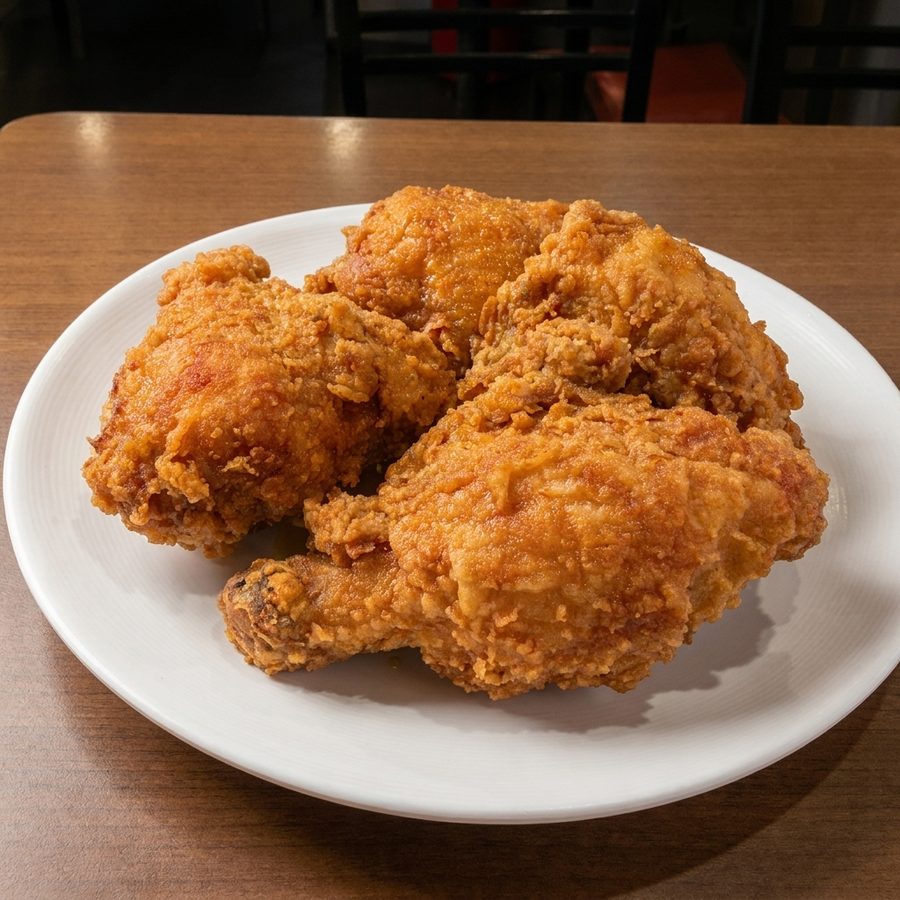
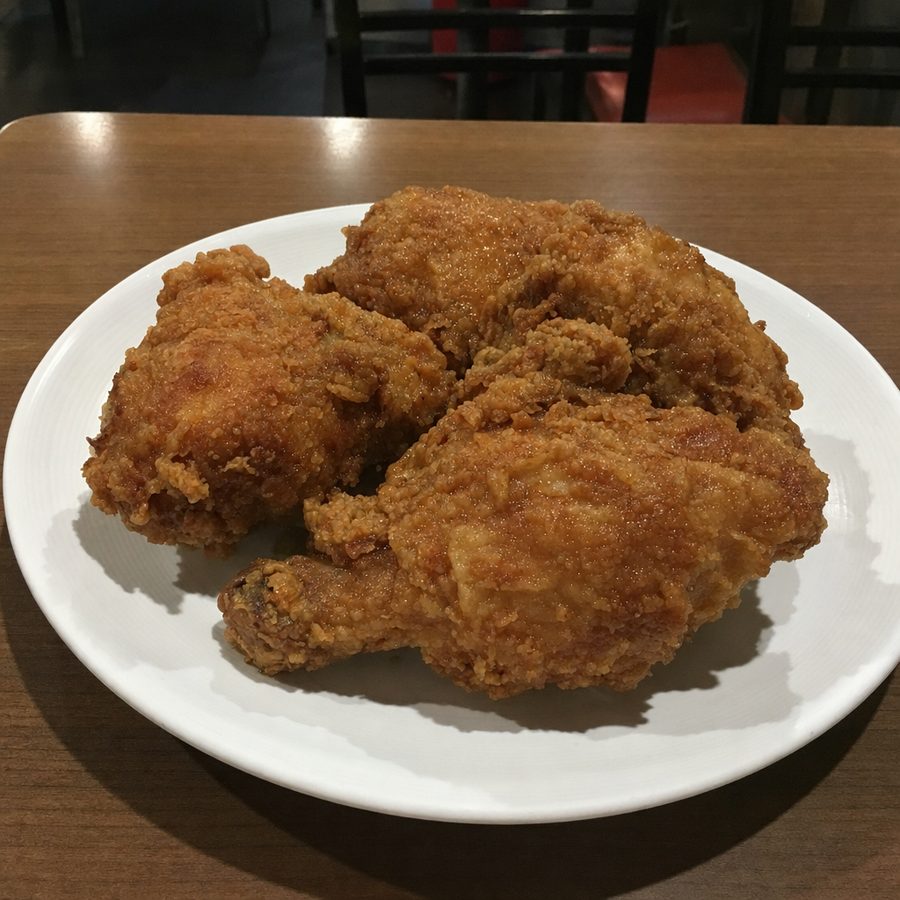
- Match one loose source photo to each platform's item-photo crop
- Use the verdict-by-restaurant-type table to decide where to focus
Updated July 2026
On this page
The short version
Who this comparison is for
This page is for an owner or operator deciding how DoorDash and Uber Eats fit into a restaurant's sales mix. It does not compare driver pay, courier experience, consumer subscriptions, or the price a diner sees at checkout. Those questions use different inputs and can lead to a different answer.
For an owner, the decision has three layers. First, can the restaurant make money on the items offered under its real contracted rate? Second, can the kitchen accept added orders without hurting accuracy, ticket time, pickup, or dine-in service? Third, which platform brings enough useful local demand to justify ongoing menu maintenance and attention?
That is why "both, then focus" is usually more practical than choosing one brand nationally. A restaurant can maintain a deliberate core menu on each, measure results by location and daypart, and concentrate experiments where there is a real operating case. A second platform is not automatically valuable if it creates only low-margin orders or disrupts the line.
Set the decision cadence before launch. Review each channel on the same schedule with the same definitions for accepted orders, cancellations, refunds, contribution, and preparation pressure. Include the manager who works the busiest shifts, because settlement data will not show tablet confusion, packaging bottlenecks, or a pickup shelf that blocks the dining room. The goal is not to reward whichever app produced the largest sales number. It is to identify which marketplace brings orders the restaurant can fulfill accurately, at a sustainable margin, without weakening its direct business.
Commission and fee structures compared
These are each platform's own published US tiers as of July 2026. They are not strictly like-for-like. Names, included features, visibility benefits, and eligibility differ, and Uber Eats applies a higher rate to Uber One member orders on its Plus tier. The effective rate depends on the plan selected and the restaurant's agreement.
| Published charge | DoorDash | Uber Eats US |
|---|---|---|
| Lower delivery tier | Basic: 15% delivery commission | Lite: 20% delivery marketplace fee |
| Middle delivery tier | Plus: 25% delivery commission | Plus: 25%, or 30% for Uber One member orders |
| Upper delivery tier | Premier: 30% delivery commission | Uber Eats Premium: 30% delivery marketplace fee |
| Pickup | 6% on all plans | 7% with validated in-store pricing, otherwise 10% |
| Published billing model | No monthly fee and no contract; pay per order | Marketplace fees per order under the selected tier and agreement |
Sources as of July 2026: DoorDash Merchant Pricing and Uber Eats Marketplace Fee Changes, effective March 11, 2026. The same tier changes were also reported by Restaurant Dive.
Do not compare only the lowest percentages and assume the decision is finished. A lower tier may provide a different delivery area, customer benefit, or visibility package than another tier. Conversely, paying a higher percentage for a feature bundle does not prove that the additional exposure will produce profitable orders for a specific restaurant.
Build the model from the settlement statement backward. For each platform, separate menu revenue, commission or marketplace fee, restaurant-funded discounts, refunds, adjustments, packaging, food cost, and incremental labor. Then compare contribution by item and daypart. This gives management a usable focus decision without inventing a conversion or payback claim.
Market coverage differences
As of July 2026, DoorDash and Uber Eats are the two largest third-party meal-delivery platforms in the United States. DoorDash has generally held the larger US share and Uber Eats the second position. Exact percentages are omitted because many current estimates sit behind gated commercial research, use different definitions, or combine categories differently.
National position does not tell a restaurant how many relevant customers are near one address. Coverage and demand vary by metro. Even within the same city, neighborhood density, cuisine, delivery radius, courier availability, local promotions, and established customer habits can make the platforms perform differently.
Check both apps from the restaurant's delivery area, confirm merchant availability directly, and ask nearby operators about current order patterns. After launch, compare several representative weeks rather than one busy night. Review order count, contribution, cancellation causes, prep-time pressure, and repeatable dayparts. Seasonal events or a short promotion can otherwise distort the conclusion.
A multi-location group should avoid assigning one chain-wide winner too quickly. One platform may deserve more attention downtown while the other matters more in a suburban trade area. Keep menu standards consistent, but allow focus decisions to follow location-level evidence.
Onboarding, menu, and photo requirements
Onboarding is not complete when an account is approved. The restaurant still needs accurate categories, item names, descriptions, prices, modifiers, tax settings, hours, prep times, sold-out controls, and photographs. Treat the first menu as a data implementation that needs a line-by-line check on a customer-facing device.
Start with a delivery-suitable subset rather than copying every dine-in item automatically. Remove dishes that travel poorly, modifiers the kitchen cannot execute reliably during a rush, and combinations whose packaging or labor makes the order uneconomic. Keep naming and portion details clear enough that a customer can understand what arrives.
The platforms also crop item photos differently. Follow the detailed DoorDash photo requirements and Uber Eats photography guide rather than uploading one finished crop twice. The broader delivery platform photo requirements guide helps plan a reusable source set.
After publication, order from the customer view and inspect every category. Check that required modifiers are truly required, default selections are sensible, unavailable items disappear, and the photo still represents the portion sold. Repeat the audit after a point-of-sale menu sync or major price update because mapping changes can create quiet errors.
Tablet workflow, operations, and support reputation
Two marketplaces can mean two tablets, two alert patterns, two menu dashboards, and two sets of order exceptions. The operational cost appears in missed alerts, manual point-of-sale entry, modifier mistakes, sold-out updates, and staff switching between systems during a rush. Assign ownership per shift instead of assuming someone will notice every screen.
A compatible point-of-sale integration or third-party order aggregator may reduce manual entry and tablet clutter. It also creates another dependency. Before relying on an integration, test item and modifier mapping, tax handling, store hours, throttling, cancellations, refunds, pausing, sold-out propagation, and what happens when the connection fails.
There is no defensible universal winner on restaurant support. Commonly reported themes for both platforms include uneven response quality and difficult account, refund, or order exceptions. These are qualitative reports, not consistent service-level measurements, and experience can vary by account and issue. Owners should check current merchant help pages and recent feedback from comparable local restaurants rather than relying on an undated star score.
Keep a simple escalation file with order IDs, screenshots, timestamps, settlement references, and the exact resolution requested. Track recurring issue types by platform. The useful support measure is not whether one conversation felt pleasant, but whether material errors are resolved correctly and whether the same operational problem repeats.
Photo specifications compared
The table uses only specifications already stated in MenuCapture's two platform guides. It covers item photos, not every promotional placement.
| Requirement | DoorDash item photo | Uber Eats item photo |
|---|---|---|
| Aspect ratio | 16:9 landscape only | 5:4 to 6:4 recommended |
| Dimensions | At least 1400 x 800 px | 550 to 10,000 px wide and 440 to 10,000 px tall |
| Maximum file size | Under 2 MB | 10 MB, or 5 MB in Creative Hub in Ads Manager |
| Stated item formats | The DoorDash guide does not claim one definitive published format list | JPG, PNG, or GIF |
One loose, high-resolution original can support both platforms, but one tight export usually cannot. Center the dish and leave usable background around every side. Create the narrower Uber Eats crop and the wider DoorDash crop independently from the untouched original.
Photo coverage should be managed like menu data. Prioritize signature dishes and items the restaurant wants customers to understand quickly, then expand coverage while keeping portions current. The menu photo ROI guide explains how to evaluate the work without assuming a made-up conversion lift.
Verdict by restaurant type
| Restaurant situation | Practical verdict | What to watch |
|---|---|---|
| Established restaurant with delivery demand | Use both, then focus by location-level contribution and order quality | Kitchen capacity, menu parity, and duplicate maintenance |
| New restaurant with limited staff | Launch one cleanly, stabilize operations, then add the second | Do not split attention before hours, modifiers, photos, and handoff work reliably |
| Multi-location group | Use both where available, but make focus decisions per location | Local demand, integration behavior, reporting consistency, and account permissions |
| Pickup-led concept | Compare DoorDash's published 6% pickup rate with Uber Eats at 7% with validated in-store pricing or 10% otherwise | Agreement terms, pricing validation, customer handoff, and direct-channel alternatives |
| Delivery-native kitchen | Both can be core acquisition channels if item economics hold | Brand duplication, packaging, courier flow, refunds, and dependence on marketplace demand |
| Fine dining or travel-sensitive menu | Use a narrow delivery menu or neither platform | Whether the dish still represents the restaurant after holding and travel |
If DoorDash is the current focus, use the owner playbook on how to get more DoorDash orders to improve the complete store funnel while keeping cost and operational limits visible.
When neither platform makes sense
Shoot it during service, use it everywhere
You do not need a separate shoot for each platform. Photograph the plate once during a normal service, clean it up, and reuse that single image across every channel.
- Shoot the plate during prep or a normal service, right at the pass
- Upload it to MenuCapture from your phone or your laptop
- Get a menu-ready image in about a minute
- Use one image for the print menu, DoorDash, Uber Eats, Google Business Profile, and Instagram
Frequently asked questions
Most restaurants that can operate both channels reliably should list on both, then focus staff time, menu work, and promotions on the platform producing the healthier order economics and steadier local demand. Availability and customer demand vary by metro, so a national comparison cannot replace the restaurant's own order and margin data.
Neither platform is always cheaper. As of July 2026, DoorDash publishes delivery commission tiers of 15%, 25%, and 30%. Uber Eats publishes US delivery marketplace fee tiers of 20%, 25%, and 30%, with 30% on Uber One member orders under Uber Eats Plus. The plans have different names and feature bundles, and the effective rate depends on the selected plan and the restaurant's agreement.
As of July 2026, DoorDash publishes a 6% pickup commission on all three partnership plans. Uber Eats publishes a 7% pickup marketplace fee when the restaurant has validated in-store pricing, otherwise 10%. Owners should confirm the current agreement and how the platform validates pricing before projecting pickup margins.
DoorDash has generally held the larger US meal-delivery share, with Uber Eats second, as of July 2026. Exact usefulness is local, however. Coverage, customer habits, courier supply, and order density vary by metro and neighborhood, so owners should check availability and actual demand around each location.
The same high-resolution source photograph can support both, but each platform needs its own export. DoorDash uses a 16:9 landscape image of at least 1400 x 800 pixels and under 2 MB. Uber Eats recommends a 5:4 to 6:4 item-photo ratio with its own dimension, format, and file-size limits. Shoot loose around a centered dish so both crops remain possible.
That depends on the restaurant's point-of-sale integration, menu complexity, staffing, and order volume. Running separate tablets can add alert, acceptance, and menu-sync work. A compatible direct integration or order aggregator may reduce re-entry, but owners should test modifier mapping, hours, sold-out controls, refunds, and reporting before relying on it.
There is no dependable universal winner. Commonly reported themes for both platforms include variable response quality and difficulty resolving some account, refund, or order issues, but those reports are not consistent service-level measurements. Owners should check current merchant documentation and recent local operator feedback, then keep escalation records for their own account.
A restaurant should reconsider both when its delivered items cannot absorb the applicable commission and other order costs, when food quality falls during travel, or when the kitchen cannot protect dine-in and pickup service from delivery volume. Test contribution margin item by item using the actual agreement instead of treating added sales as automatic profit.
Keep reading
DoorDash Photo Requirements
Current DoorDash menu photo specs, rejection reasons, and how to fix them.
Uber Eats Photo Requirements
Exact Uber Eats item and cover photo specs and the reasons photos get rejected.
Delivery Platform Photo Requirements
Photo specs for every major delivery platform, compared side by side.
How to Get More Orders on DoorDash
The full owner playbook: photos, menu structure, ratings, promotions, and pricing.
Prepare one source set for both delivery menus
MenuCapture helps restaurants clean up and crop their own real dish photos for platform-specific listings.
View pricing