AI Photo Editing vs Hiring a Food Photographer
The honest answer depends on the job, and for many restaurants it is both.
- Choose AI editing for delivery listings, changing menus, and quick fixes to photos you own
- Hire a professional for brand campaigns, interiors, and signature hero images
- Compare cost, turnaround, consistency, and usage rights side by side
- See where each option clearly wins, and how a hybrid split works
Updated July 2026
On this page
The short version
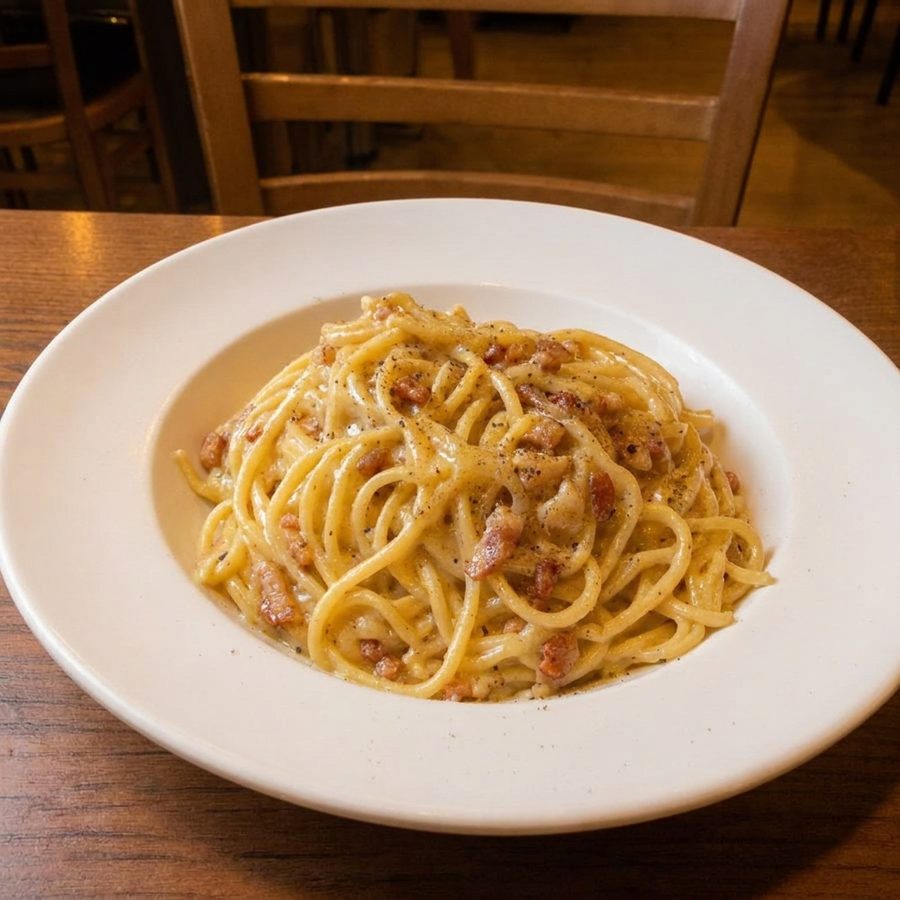
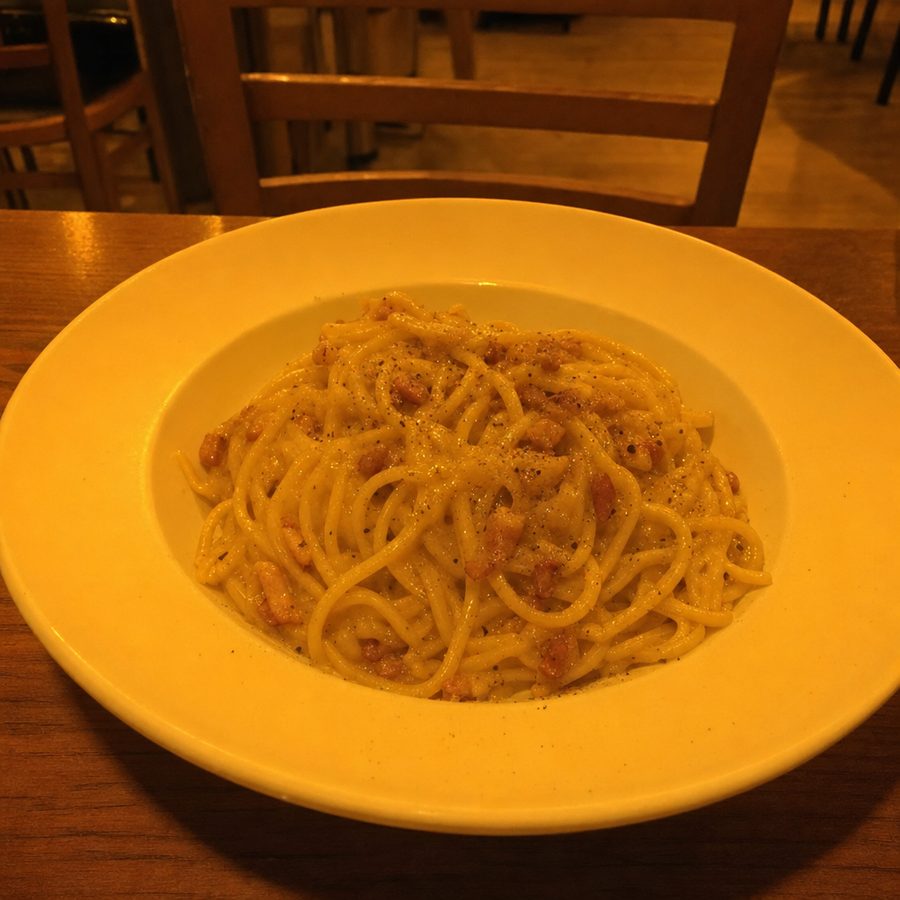
A fair, dimension-by-dimension comparison
This is not a comparison between an experienced photographer and a button that performs the same assignment for less. The two options begin at different points. A photographer creates the source image and can change the physical scene. AI editing works from an image that already exists. That distinction explains most of the winners below.
Cost: production budget versus editing budget
As of July 2026, a professional restaurant shoot commonly runs about $750 to $2,000, depending on the city, scope, crew, number of dishes, styling, and license. Per-photo professional work is roughly $75 to $150. These are general planning ranges, not universal rates. A complicated advertising set with a stylist, producer, models, rented surfaces, and extensive retouching can cost more. A short local assignment can cost less.
That fee purchases more than file correction. It pays for judgment before the shutter is pressed: choosing the angle, shaping light, correcting plating, arranging props, anticipating crops, and noticing when a fresh garnish or rebuilt dish will improve the result. A useful restaurant food photography guide can help staff understand the craft, but experience on a live set still has real value.
MenuCapture is an editing expense rather than a production crew. Pricing is $9 per week or $159 per year. Ten edits cost 24 cents at the weekly per-photo rate. When the full allowance is used, the listed rates are 2.4 cents per photo on the weekly plan and under 1 cent per photo on the annual plan. Those figures assume your restaurant supplies the source images, prepares the dishes, and reviews the output. The cost comparison is favorable because the service covers a narrower part of the workflow.
For one launch campaign, the photographer's creative contribution may be worth far more than the price difference. For a forty-item delivery menu that changes every month, paying shoot-level production costs repeatedly may be hard to justify. Marketplaces also occupy a middle ground. The comparison with Snappr covers an on-demand photography option, while the comparison with Fiverr considers freelance editing and variable service scopes.
Turnaround: scheduled production versus immediate iteration
A professional assignment has a calendar. The restaurant and photographer agree on a brief, shot list, date, dishes, props, and usage. After capture, the photographer selects and edits files before delivery. That deliberate process is an advantage when stakeholders need to approve a campaign. It gives the work structure and protects quality.
It is less convenient when a chef adds a weekend bowl on Friday morning. AI editing can process a new phone photo in minutes. Staff can review the result, retry a weak source, and prepare the listing without waiting for an open shoot date. Speed does not excuse careless review. The published image must still match the portion and ingredients a customer receives.
Consistency: control at capture versus repeatable processing
A good photographer can create a highly consistent menu by locking the camera, lighting, surface, lens, and plating rules. The challenge is operational. Forty dishes must be prepared on schedule, kept fresh, checked, and moved through the set. If the shoot spans days or a later menu update, matching the original conditions takes careful notes and another coordinated session.
AI editing is useful when the source library is uneven: several phones, different days, mixed table surfaces, and inconsistent restaurant light. Applying the same cleanup and presentation choices across the set can make listings feel more coherent. It cannot fully rescue clipped highlights, motion blur, a hidden entrée, or sloppy plating. Consistency still starts with repeatable source capture: similar angle, distance, light direction, plate scale, and enough room to crop.
Usage rights: read the source agreement
Professional photography brings the strongest opportunity to define rights in detail. The contract can specify restaurant websites, delivery apps, organic social media, paid advertising, print, press, geographic territory, duration, exclusivity, and whether vendors may make derivative edits. The photographer may retain copyright while granting a license, or the parties may negotiate a broader transfer. Either arrangement can work when everyone understands it.
AI editing does not erase restrictions attached to the source. If an employee took the photo as part of work, the restaurant should confirm its employment and content policies. If a freelancer, platform program, previous agency, or photographer supplied it, check the agreement before editing or republishing it. A restaurant cannot turn a narrowly licensed image into an unrestricted asset merely by changing its background or color.
This is also why the professional column wins for rights depth. A carefully drafted campaign license can address valuable, complicated uses directly. With AI editing, the practical advantage is usually simpler: the restaurant edits a phone photo it already owns and can reuse across routine channels.
Where a professional photographer clearly wins
Brand and campaign photography. A campaign needs an idea, not just a clean plate. A professional can interpret the restaurant's positioning, build a visual language, work with a creative director, and create a set of images that belongs to that business rather than following a generic treatment.
Restaurant interiors and ambiance. Dining rooms combine wide spaces, windows, mixed artificial light, reflective materials, staff, and guests. Balancing those elements is a capture problem. A professional can light the room, direct people, select the right time of day, and preserve the atmosphere without making the space look empty or distorted.
True hero shots. A homepage banner, billboard, press feature, or signature menu cover may be viewed closely and used for years. The photographer can tether the camera, inspect detail, adjust the dish between frames, manage negative space for copy, and deliver the resolution and crop variants the campaign requires.
Heavy styling and art direction. Melting cheese, rising steam, a sauce pour, a frozen dessert, or an ingredient spread may require precise timing and specialist styling. An experienced team can rebuild the plate repeatedly and make small physical decisions that no later edit can reproduce honestly.
An original creative eye. When the restaurant wants someone to discover the image rather than execute a predetermined cleanup, hire a person whose portfolio shows the desired point of view. MenuCapture's detailed professional photographer comparison helps frame that hiring decision. For these assignments, a professional is not an expensive substitute for AI. The professional is doing a different and more creatively demanding job.
Where AI editing wins
Existing photos your restaurant already owns. If the food is clearly visible and accurately plated, it is often wasteful to recreate the entire shoot merely to correct a distracting background, uneven exposure, or inconsistent presentation. AI editing starts with that useful source.
Delivery-app listings at volume. A large menu needs recognizable, consistent images more than it needs forty separate campaign concepts. Repeatable processing helps bring the whole set into one visual range, while staff can export the crops required by each platform.
Speed and per-photo cost. There is no crew calendar, travel, or minimum shoot scope. That makes AI suitable for an urgent special, a corrected plating photo, or a batch that would be too small to justify a new booking.
Frequent menu changes. Seasonal items, limited offers, new toppings, and revised packaging make a photo library age quickly. A restaurant can photograph the real updated item and edit it while the operational details are still current.
Consistency across a large menu. The same processing approach can reduce visual jumps between old and new phone photos. It is especially useful for menus assembled over months rather than captured during one controlled day.
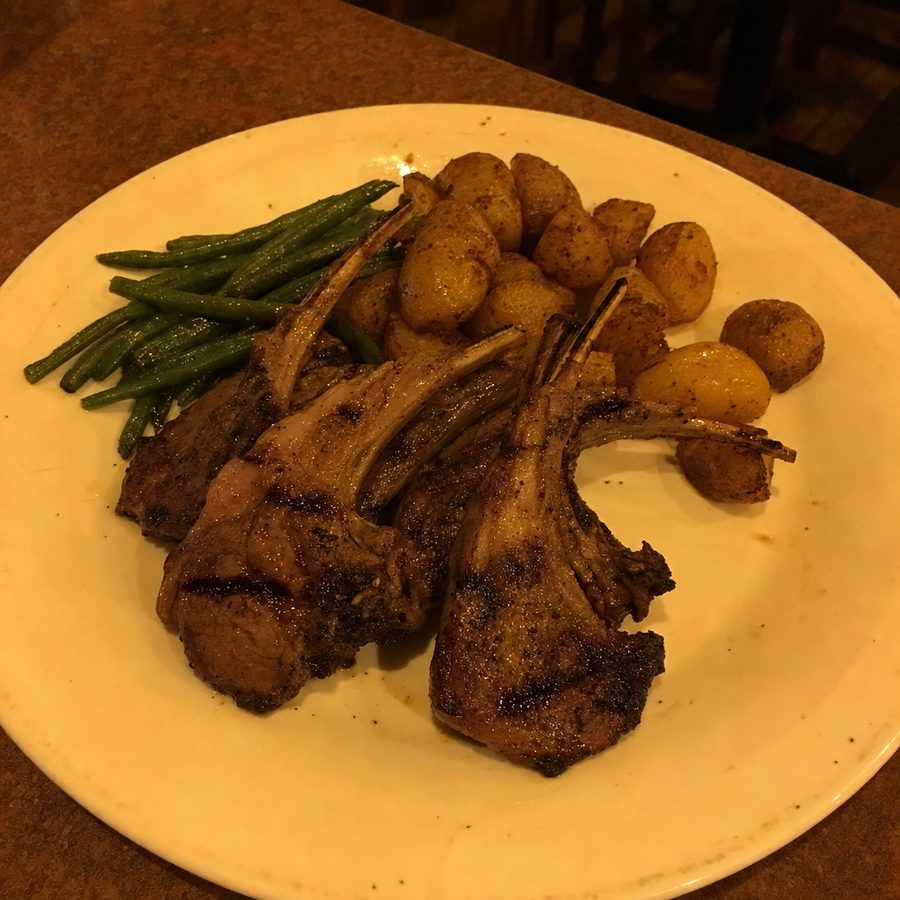
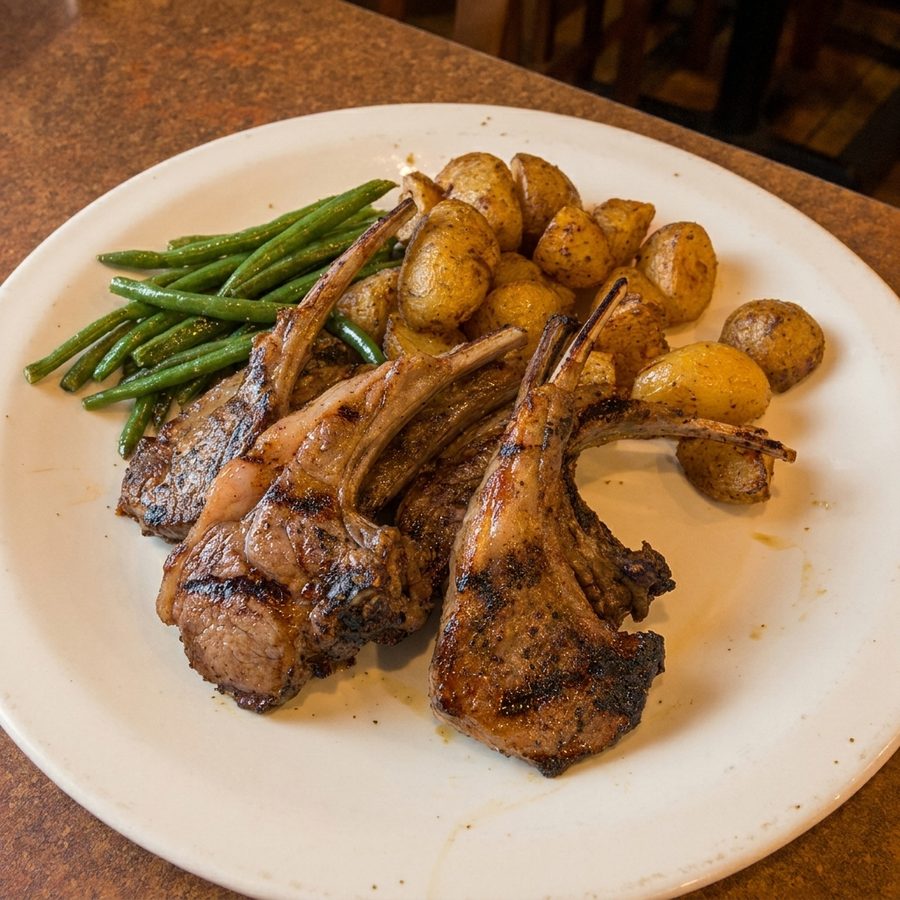
AI editing starts from a photo you already own. A dim, yellow phone shot of lamb chops becomes a brighter, cleaner menu image without booking a reshoot.
Before
After
Shoot it during service, use it everywhere
When AI editing is the right route, the workflow is short enough to fold into a normal service.
- Shoot the plate during prep or a normal service, right at the pass
- Upload the phone photo to MenuCapture
- Get a menu-ready edit back in about a minute
- Use one image across the print menu, DoorDash, Uber Eats, Google Business Profile, and Instagram
The hybrid approach most restaurants actually use
Frequently asked questions
Yes, when your restaurant already has usable source photos. MenuCapture costs $9 per week or $159 per year as of July 2026. That works out to 2.4 cents on the weekly plan or under 1 cent on the annual plan when the full monthly allowance is used. A professional restaurant shoot commonly costs about $750 to $2,000, while individual professional images are often roughly $75 to $150.
They can look fake if an editor changes the dish, invents ingredients, pushes color too far, or creates lighting that does not fit the scene. A responsible edit starts with a real photo and preserves the food being sold. The restaurant should review every result for accurate portion, toppings, sides, packaging, and color before publishing it.
A professional is worth the cost when the photograph must carry the restaurant brand: a launch campaign, major advertisement, press kit, cookbook-style feature, interior story, or signature hero image. A photographer can shape the light, set, plating, props, and moment during capture, not merely correct an existing file afterward.
Yes. A practical hybrid is to commission a professional at launch or once a year for the core brand and hero set, then use AI editing for seasonal dishes, delivery listings, price-driven specials, and routine menu changes between shoots. Each tool handles the work it is suited to do.
Delivery platforms generally accept edited photos when they meet current technical and content rules and accurately represent the item. Rules differ by platform and can change, so check the current merchant guidance as of July 2026. Avoid text overlays, misleading ingredients, stock imagery, and edits that materially alter what the customer receives.
AI processing can return an edited image in minutes, so a restaurant can work through menu updates without coordinating a shoot date. The complete workflow still includes taking a sound source photo, reviewing the result, correcting any inaccurate version, and exporting each platform format.
Copyright and usage rights depend on the contract. Photographers often retain copyright while licensing specified uses, territories, channels, and time periods to the restaurant. Some agreements transfer broader rights for a higher fee. AI editing does not remove the need to own or license the source photo, so confirm rights before uploading any image.
Keep reading
AI Food Photography
How AI photo editing improves real dish photos, and where it does not fit.
Food Photography for Restaurants
The craft hub: lighting, styling, and shooting dishes for your menu.
How Much Does Food Photography Cost in 2026?
Real shoot rates, hidden costs, budget scenarios, and where AI editing changes the math.
Alternative to Hiring a Food Photographer
Compare the cost of a professional menu shoot with AI editing for photos you already have.
Keep everyday menu photos current
MenuCapture helps restaurants turn existing dish photos into a consistent set for menus and delivery listings.
View pricing