Alternative to Hiring a Food Photographer: MenuCapture vs a Menu Shoot
An honest comparison of hiring a food photographer versus editing your own photos with MenuCapture: when a $500 to $2,500 shoot is worth it, and when $9 a week does the job.
We build MenuCapture, so this comparison comes from an interested party, and we have written it to stay honest about where a real photographer beats us. Hiring a food photographer is the traditional answer to bad menu photos. It is also the expensive one, and for a lot of day-to-day restaurant work it solves a problem you may not have. The useful question is not "photographer or software" in the abstract. It is which one fits the specific job in front of you, so this page maps out both.
Who hiring a food photographer is genuinely good for
A professional does things AI editing simply cannot, because editing starts from a photo that already exists and a photographer creates the photo in the first place. These are real, and for some jobs they are the only option.
- On-location capture. Your dining room, bar, patio, open kitchen, team, and press events all need someone on site with the right gear. A phone snap of a plate cannot capture the room or the moment, and no edit can invent it.
- Original capture of difficult subjects. Some dishes are technically hard to hold and shoot, and some briefs need a food stylist building the plate physically. A photographer plus a stylist controls the set in a way an editor of an existing photo cannot.
- Large-format and campaign output. Billboards, print campaigns, and launch hero images shot for scale justify professional lenses, lighting, and a proper licensing package. When one image has to carry a website, signage, and paid media, concentrated production is the economical choice.
If your next need is any of these, book the photographer. That is the honest recommendation, and MenuCapture is not a substitute for it.
Where hiring a photographer stops being worth it for menu photos
For the everyday job of keeping a menu's dish photos current, the traditional route solves the wrong problem at the wrong cost. The figures below are typical published US ranges as of 2026, and individual quotes vary by city and scope.
- The sticker cost is high. Typical restaurant sessions run $500 to $2,500, and major metro shoots often land at $2,500 and up all-in. Most restaurants end up spending $500 to $3,000 for a menu shoot covering 15 to 30 dishes.
- The add-ons stack. Food stylists run $500 to $1,200 per day, and studio rental, prop fees, and licensing pile on top of the base quote. The number you sign is rarely the number you started with.
- The cost recurs. Menus change. Every new special, seasonal item, or recipe tweak either goes live with a mismatched photo or triggers another booking. A photographer per menu update is not a one-time expense.
- The "free" platform shoots have strings. DoorDash's free merchant photoshoot produces photos contractually restricted to DoorDash. Uber Eats covers one onboarding shoot of about 10 items, then charges around $125 per additional shoot. Either way you do not walk away with a photo library you own everywhere.
None of this means photographers are overpriced. It means paying a photographer to relight and recrop a plate you could have shot on your phone is spending capture money on an editing problem.
What changes when you edit your own photos with MenuCapture
Modern phone cameras capture plenty of detail. What phone photos lack is what a photographer adds after the shutter: light, color, clean backgrounds, and composition. That part is now a text prompt. You upload your real dish photo, type what you want ("brighten it, clean white background, crop for a menu tile"), and get the finished photo in about 30 seconds.
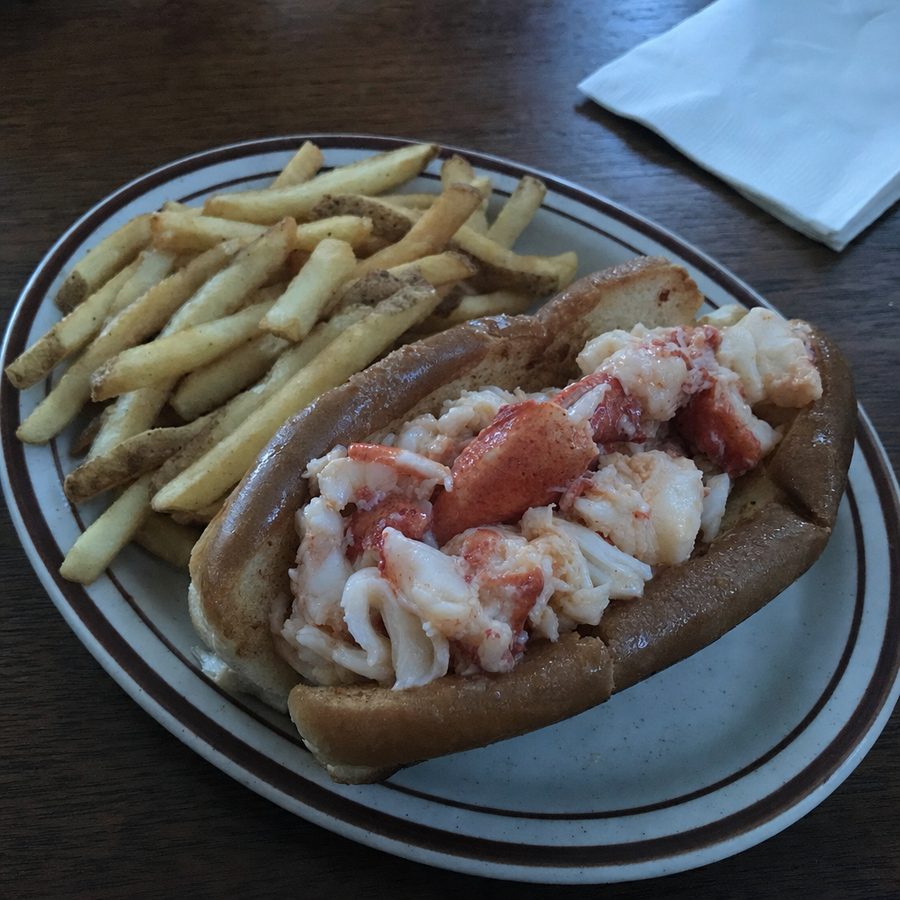
Here is one of those edits. The lobster meat, the toasted bun, and the fries are the same food on the same table. Only the dim window light and flat exposure changed, which is exactly the work you would otherwise pay a photographer's edit for.
What MenuCapture's edit looks like
Before
After
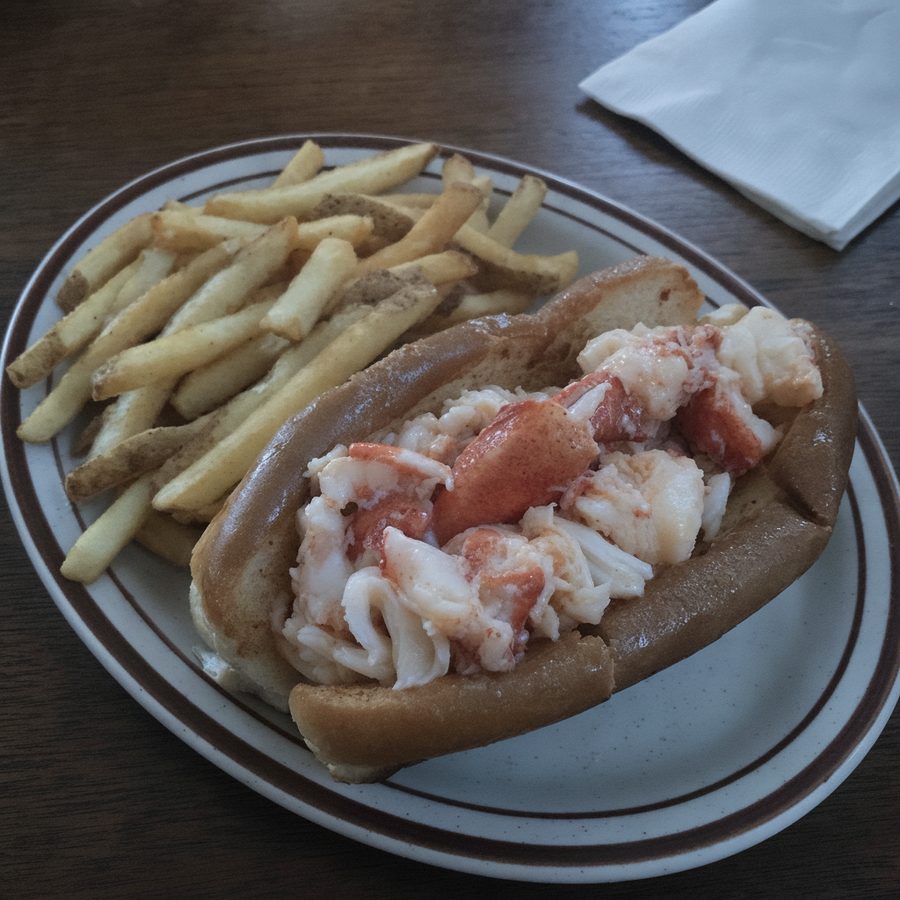
Dim window light balanced and exposure lifted from a single phone photo, no shoot booked and no reshoot fee. Actual MenuCapture output: the original phone photo and the MenuCapture edit. This demo shows our tool, not the competitor's.
- $9 per week or $159 per year, up to 1,500 edits per month, instead of a $500 to $3,000 shoot.
- No scheduling. Shoot a new special at lunch, publish the edited photo before dinner.
- Your photos, every platform. No contractual lock-in. Use the same image on DoorDash, Uber Eats, Google, Instagram, your site, and print.
- Still your real food. Edits of genuine photos keep you inside platform rules that require pictures of the actual dish.
The numbers side by side, for a 50-dish menu, are in the cost table below.
Which job goes to which option
The cost table above compares dollars and turnaround. This one is about fit: which route actually solves each kind of job. It is not a scorecard, it is a routing guide.
| The job | Hire a photographer | MenuCapture |
|---|---|---|
| Relight and recrop existing dish photos | Overkill and expensive | The core job, about 30 seconds each |
| Cover 50 listings and keep them current | A booking per update | Included, up to 1,500 edits/month |
| Interiors, dining room, ambience | The right tool | Cannot capture a room |
| Staff, founders, press events | The right tool | Cannot capture people or moments |
| Launch hero shot or print campaign | Worth the production | Not built for large-format capture |
| A new seasonal special, this afternoon | New booking | Shoot on a phone, edit, publish |
| Photos you own on every platform | Depends on the contract | Yours everywhere |
The cost a quote never shows
The invoice is only part of what a shoot costs a restaurant, and this is the part owners tend to underestimate when they compare a photographer to editing photos themselves.
A menu shoot pulls the kitchen into the production. Someone buys extra ingredients, plates dishes in sequence, holds each plate for approval, answers styling questions, and does it without derailing service. Shoots often collide with prime prep hours, because that is when ingredients, cooks, and stations are actually ready. The real trade is manager attention and line capacity on a working day, on top of the $500 to $3,000 on the quote.
Then there is continuity. If different photographers handle updates over the year, camera height, lighting direction, color, crop, and surfaces drift, and your menu stops looking like one set of photos. Keeping it consistent means preserving reference images and setup notes and handing them to each new shooter, which is its own small project.
Editing your own photos removes most of that overhead. You shoot the plate as it leaves the pass, on a normal day, and apply the same prompt each time so the look stays consistent whoever is holding the phone. There is no booking to schedule around service, no reshoot fee, and no crew to re-brief. For the recurring work of keeping a menu current, that operational simplicity is worth as much as the price difference.
The sensible split, and who should stick with a photographer
The realistic answer for most restaurants is not one method for everything. It is a split: let a photographer earn the fee on the work a phone snap cannot reach, and handle the long tail yourself.
Stick with a photographer for your interiors, your team, press events, packaging, and any launch hero or large-format campaign. Those depend on capture, styling, and a license built for paid distribution, and that is money well spent. If your next need is one of those, this whole page is telling you to go book the shoot.
Switch to MenuCapture for the dish photos, including your hero plates, and for keeping the menu's long tail looking good as it changes through the year. That turns dish photography from a recurring $1,000-plus line item into $9 a week, while the photographer stays focused on the assignments only they can do.
If you already have photos on your phone right now, you do not need to book anyone to get a better-looking menu this week. See our detailed photographer cost comparison for the full breakdown of shoot pricing, the AI menu photo tools roundup for the software field, and MenuCapture's pricing for the plans. To try an edit on a photo you already have, start from the MenuCapture home page.
Photographer vs MenuCapture for a 50-dish menu
| Traditional | MenuCaptureRecommended | |
|---|---|---|
| Typical cost | $500 to $2,500 per shoot, $2,500+ all-in in major metros | $9 for one week of edits |
| Turnaround | Scheduling plus days to weeks for edited delivery | About 30 seconds per photo |
| Retakes | A reshoot is a new booking | Re-edit anytime, up to 1,500 edits per month |
| Add-on costs | Food stylists $500 to $1,200 per day, studio rental, licensing | None |
| Usage rights | Depends on the contract; licensing can be extra | Your photos, usable on every platform |
Photographer figures are typical published ranges for US restaurant shoots as of 2026. Individual quotes vary by city and scope.