How much does food photography cost?
What restaurant food photography really costs, and where each dollar goes.
- See 2026 published session, day-rate, and menu-shoot ranges
- Break a quote into line items: styling, studio, licensing, retouching, revisions
- Plan around the 40% to 60% hidden-cost pattern before you sign
- Budget a 15-dish menu, a 40-dish menu, or monthly specials
- Know when AI editing, a photographer, or a hybrid is the cheaper route
Updated July 2026
On this page
The short version
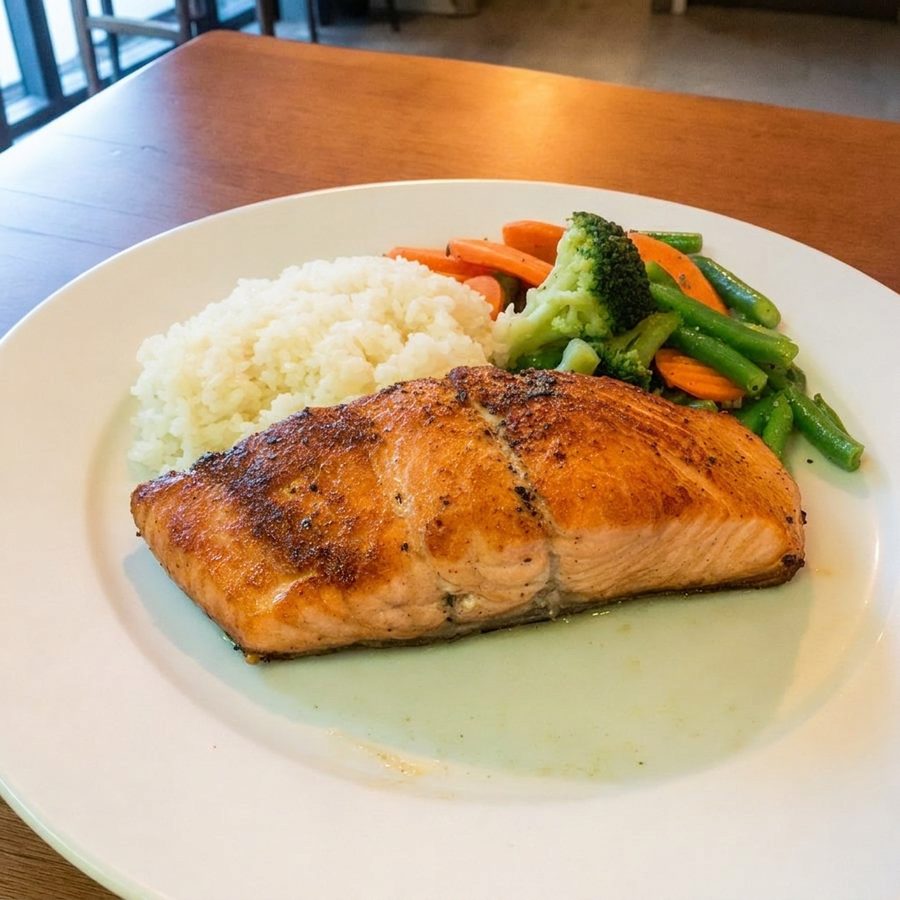
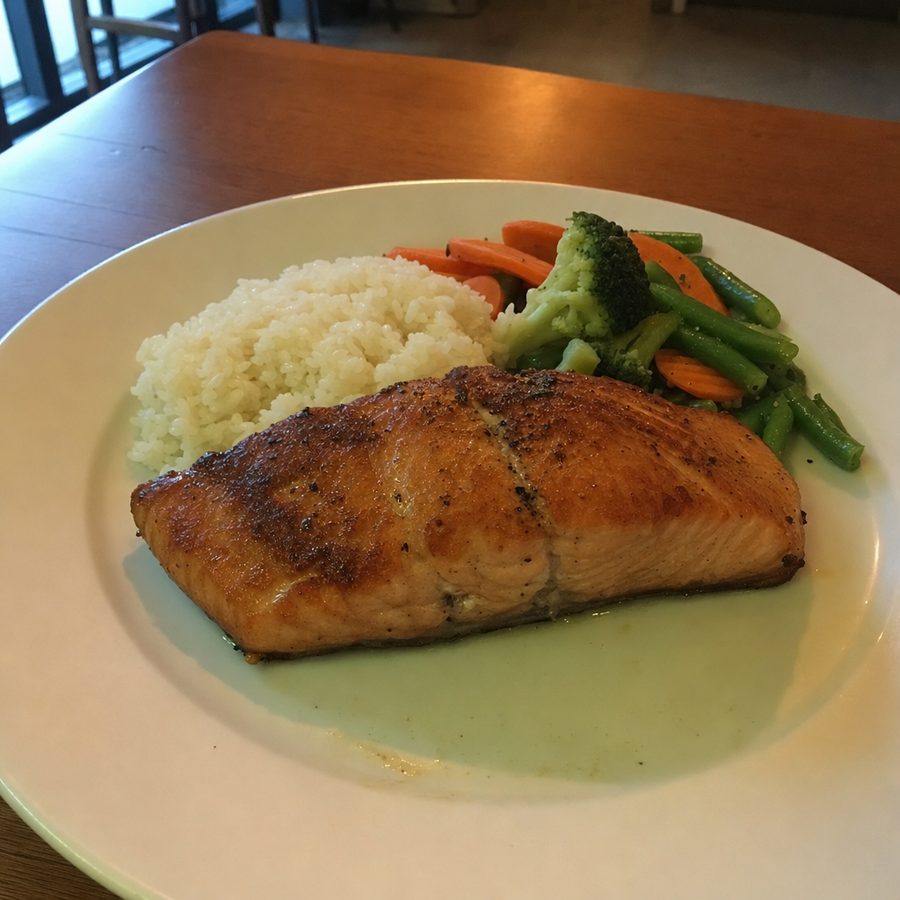
What a professional food shoot actually costs
The broad answer reflects different jobs. Photographing plated lunch items against one background is not the same assignment as developing a campaign concept, sourcing props, styling unstable food, building several lighting setups, and licensing the result for advertising. Location, crew, complexity, deliverables, and rights can matter more than dish count.
An hourly benchmark helps explain the labor layer. A photographer-published rate guide (Barley & Sage), 2021 lists $35 to $75 per hour for a beginner, $75 to $150 for a semi-professional, and $150 to $500 for a professional. Those bands describe experience levels, not a promise about a restaurant's total. Production and post-production time can both appear in the fee.
Session guides give a more recognizable restaurant number. A vendor-published 2026 guide (FoodyFocus) places a US session at $500 to $5,000. A vendor-published 2026 guide (FoodShot AI) gives $500 to $2,500 per session, $25 to $150+ per image, $1,000 to $5,000 per day, and $500 to $3,000 for menu shoots covering 15 to 30 dishes. FoodShot AI is a vendor describing the traditional market, so its figures should be treated as published vendor claims, not a universal tariff.
Pricing method changes risk. Per-image billing makes the deliverable count visible but may not show production minimums. A day rate reserves capacity but does not guarantee output. A menu package is easier to budget only if it states the dishes, angles, crops, finals, and revision rounds included. The restaurant food photography guide explains how to prepare a shot list so paid camera time is not spent choosing what to cook next.
The line items behind the quote
Ask for these categories separately. A blank does not mean the item is free. It may be excluded, billed later, or left for the restaurant to provide.
| Line item | Approved 2026 planning figure | What to define |
|---|---|---|
| Photographer day rate | $1,000 to $5,000, vendor-published 2026 guide (FoodShot AI) | Hours, crew, equipment, overtime, travel, and expected deliverables |
| Food stylist | $500 to $1,200 per day, a commonly cited industry range as of July 2026 | Prep, ingredients, assistant, shopping, props, and continuity |
| Studio | Quote required, no approved universal figure | Rental hours, kitchen access, surfaces, load-in, cleaning, and overtime |
| Licensing | 10% to 20% of production, photographer-published rate guide (Barley & Sage), 2021 | Channels, territory, duration, locations, paid media, print, and packaging |
| Retouching | Quote required, no approved universal figure | Included finals, cleanup level, compositing, color rounds, file formats, and extra revisions |
Licensing is frequently misunderstood. Paying for production does not automatically transfer every possible use forever. The photographer-published rate guide (Barley & Sage), 2021 places licensing at 10% to 20% of production. An owner should identify website, organic social, menu, delivery marketplace, print, packaging, and paid campaign use before comparing bids.
Industry hidden-cost patterns commonly reported as of July 2026 run 40% to 60% over the initial quote when required items are omitted. That is a planning warning, not a claim that every photographer overruns a budget. A carefully scoped fixed estimate may stay on target. A low creative fee with licensing, styling, studio, ingredients, retouching, travel, and overtime unresolved can move sharply.
Revision rules deserve their own sentence in the contract. Revision fees commonly run $150 to $300 based on rates restaurants commonly report as of July 2026. Ask whether the fee covers another color pass, object cleanup, a different crop, or a complete reshoot. A request to make the plated food materially different may require new capture, not more retouching.
Restaurant-owner budget scenarios
These are transparent planning scenarios, not new market claims. Each starts with the $500 to $3,000 menu-shoot range for 15 to 30 dishes in the vendor-published 2026 guide (FoodShot AI), or its $500 to $2,500 session range, then shows the arithmetic.
| Restaurant need | Base assumption and arithmetic | Planning range with hidden-cost pattern |
|---|---|---|
| 15-dish menu | One 15-to-30-dish menu shoot: $500 to $3,000 | $500 × 1.40 = $700 low; $3,000 × 1.60 = $4,800 high |
| 40-dish menu | Two 20-dish production blocks: 2 × $500 to 2 × $3,000 = $1,000 to $6,000 | $1,000 × 1.40 = $1,400 low; $6,000 × 1.60 = $9,600 high |
| Monthly specials cadence | One session each month: 12 × $500 to 12 × $2,500 = $6,000 to $30,000 a year | $6,000 × 1.40 = $8,400 low; $30,000 × 1.60 = $48,000 high |
The 40-dish example does not claim that every photographer forces two shoots. It uses two 20-dish blocks because each block falls within the published 15-to-30-dish menu range. A well-prepared kitchen might cover the list differently, while difficult styling or several angles could reduce throughput. Replace the assumption with a bidder's written production plan.
The monthly-specials case uses the published session range because a small assignment may still face a booking minimum. Grouping specials into fewer shoots may lower production frequency but requires earlier decisions. Photographing monthly protects accuracy, yet repeatedly mobilizing a crew is expensive.
The uplift column applies the documented 40% to 60% hidden-cost pattern mechanically. It is a reserve for comparison, not a forecast of the final invoice. Once a bid includes all required line items, use its actual total instead. Then evaluate coverage and useful lifespan through the menu photo ROI framework, without assuming an unsupported sales lift.
The operational cost beyond the invoice
A restaurant shoot consumes more than cash. The kitchen buys ingredients, prepares dishes in sequence, holds plates for approval, answers styling questions, and protects service. Shoots often collide with prime prep hours because ingredients, cooks, and stations are ready then. The hidden trade is manager attention and line capacity during service setup.
Reduce that friction with a locked shot list, named approver, plating references, cooking order, backup ingredients, clean holding area, and a decision on whether each dish needs one menu angle or additional campaign views. Decide before the date which dishes can be photographed as actually served and which require a stylist. The practical food photography guide covers light, framing, and preparation basics that help whether the camera belongs to an owner or a hired professional.
Continuity also has a cost. If different photographers handle updates over time, camera height, lighting direction, color, crop, surfaces, and retouching can drift. That does not make either photographer unskilled. It means each interpreted an incomplete visual system. Preserve approved reference images, setup notes, background specifications, crop rules, and edit guidance so a new contributor can match the established menu.
Finally, account for approvals. If the chef, owner, agency, and platform manager review at different times, feedback can conflict and trigger the $150 to $300 revision fee restaurants commonly report as of July 2026. One consolidated decision-maker and a written acceptance checklist protect both sides.
Where AI editing fits
AI editing is a different service from professional capture. MenuCapture starts with a photograph of the restaurant's real dish. It edits that source for presentation and consistency. It does not invent a substitute meal and call it the item customers will receive. That distinction makes it useful for menu coverage, where accuracy matters and the restaurant can make a sound source photo.
The cost comparison should show its denominator. MenuCapture's annual plan is $159, displayed as $13.25/mo, and includes up to 1,500 edits each month. Using the full monthly allowance across the annual term derives an effective cost of under 1 cent. For a smaller concrete batch, ten edits on the weekly plan derive to 24 cents from the $9 weekly plan and its included allowance. Those effective figures are usage calculations from the pricing-copy exports, not separately sold per-photo prices.
The source still matters. An editor cannot recover a dish hidden by motion blur, severe clipping, an obstructed plate, or a composition that fails to show the food. The restaurant remains responsible for plating the real serving and checking that the output matches it. Owners who prefer a managed workflow can review the online food photography service, while those comparing low-cost human and editing routes can use the affordable food photography options guide.
Recurring updates are where the operational contrast becomes clearest. An owner can photograph new dishes as they leave the pass, keep the same visual instructions, and edit when the menu changes rather than reserving another crew date. For a batch update, the operator can select a whole menu section and use prompt edits to refresh its background, crop, or presentation in minutes, then review every result against the real plate before publishing.
This is not a claim that AI and a commissioned photograph are interchangeable. The detailed AI versus traditional photography guide separates capture problems from editing problems. If no usable image exists, somebody still needs to photograph the dish. If the business needs a controlled campaign rather than routine listing coverage, a professional crew can be the more economical choice because it solves the right problem once.
In practice, recurring menu coverage is a short loop:
- Shoot the plate during prep or a normal service, right at the pass
- Upload the phone photo to MenuCapture
- Get a menu-ready edit in about a minute
- Use one image across the print menu, DoorDash, Uber Eats, Google Business Profile, and Instagram
When a professional photographer is the right call
The hybrid playbook: professional heroes, owner-shot long tail
Many restaurants do not need one method for every image. A hybrid system spends professional production where the work will stay visible and gives the operating team a faster way to maintain everything that changes.
First, commission the launch heroes and any interiors, packaging, staff, or lifestyle work that requires professional capture. During that assignment, agree on the menu's visual rules: camera angle, plate position, light direction, background family, crop space, color treatment, and garnish standard. Keep representative approved files and setup notes as the reference.
Second, teach one owner or staff member to photograph routine dishes near a consistent light source with the real serving, a clean lens, stable framing, and enough space around the plate. The goal is not to imitate a campaign set. It is to produce an accurate, editable source that follows the same visual grammar. Schedule this around normal plating instead of interrupting an entire prep window.
Third, use MenuCapture to edit the long tail, seasonal dishes, delivery listings, and replacements against that reference. Review food identity, portion, ingredients, garnish, crop, and background before release. When an entire category changes, batch the section and apply prompt edits in minutes, then approve item by item. This reduces style drift because the instructions stay with the restaurant even if contributors change.
Finally, define the trigger for calling the photographer back. A new brand campaign, redesigned room, packaging launch, staff story, or signature hero deserves capture. A new lunch special or delivery-only variation may only need an accurate phone source and editing. This division keeps the photographer focused on work that benefits from physical presence while giving the restaurant control over recurring coverage.
For budgeting, compare the professional hero scope as a project and the long-tail system as an operating process. Do not claim artificial savings before listing what each route produces. MenuCapture's annual option is $159, equivalent to $13.25/mo. The weekly option is $9. 30-day money-back guarantee. Cancel anytime. The restaurant can choose based on update cadence, source-photo readiness, and whether the next need is capture or editing.
Frequently asked questions
Published ranges vary by scope and billing model. A vendor-published 2026 guide from FoodyFocus places a US session at $500 to $5,000. A vendor-published 2026 guide from FoodShot AI lists $500 to $2,500 per session, $1,000 to $5,000 for a day rate, and $500 to $3,000 for a menu shoot covering 15 to 30 dishes. A written estimate should separate production, licensing, styling, studio, retouching, and revisions.
Deposit policies vary by photographer, so ask what is due to reserve the date, when the balance becomes payable, and what happens after a cancellation or postponement. The estimate should say whether a deposit is refundable and whether weather, illness, delayed construction, or an unavailable dish triggers a new booking fee.
There is no universal session yield. Shot complexity, plating speed, styling, props, lighting changes, staff readiness, and the number of approved angles all affect output. A vendor-published 2026 guide from FoodShot AI describes menu shoots covering 15 to 30 dishes, but an owner should put the exact dish list, angles, crops, and final image count in the scope.
Not always. A photographer-published rate guide from Barley & Sage, 2021, places licensing at 10% to 20% of production. Ask which channels, locations, territories, and usage period the quote covers. Menu listings, paid advertising, packaging, print, and third-party delivery platforms may require different rights.
The estimate may exclude a stylist, studio, props, ingredients, licensing, additional retouching, overtime, travel, or revisions. Industry patterns commonly cited as of July 2026 place hidden costs at 40% to 60% over the initial quote when those items are not scoped. Request an itemized estimate and change-order rules before shoot day.
Revision fees commonly run $150 to $300, based on rates restaurants commonly report as of July 2026. Confirm what counts as a revision, how many rounds are included, and whether a change requires retouching or a new shoot.
It can be for recurring menu coverage when the restaurant already has accurate phone photos. MenuCapture's annual plan is $159, equivalent to $13.25/mo, with up to 1,500 edits each month. Using the full allowance across the annual term derives an effective cost of under 1 cent rather than treating that phrase as a standalone price. AI editing does not replace on-location capture, physical styling, or campaign production.
Hire a professional when the assignment depends on capture, not just editing: a brand campaign, launch hero image, interior and ambience photography, staff or lifestyle scenes, packaging, complex food styling, or files intended for demanding print and advertising uses. A photographer can control the set, lighting, continuity, equipment, and rights package from the start.
Keep reading
Compare Menu Photo Options
MenuCapture next to photographers, freelancers, and other tools.
AI Food Photography
How AI photo editing improves real dish photos, and where it does not fit.
Best AI Food Photography Tools in 2026
Editors of real dish photos versus generators that invent food, compared on price and platform fit.
Food Photography for Restaurants
The craft hub: lighting, styling, and shooting dishes for your menu.
Build a lower-cost system for recurring menu photos
MenuCapture edits photographs of a restaurant's real dishes for consistent menu and delivery listings, while professional capture stays reserved for the assignments that need it.
View pricing