Cheap food photography for restaurants: every option compared
Cheap food photography can mean four different products. This guide compares what each one actually buys.
- Stock photos, Fiverr gigs, on-demand shoots, and AI editing compared
- Start by naming the missing job: capture or editing
- See the hedged Fiverr price range and where a low listing stops
- Learn where AI editing of a real phone photo fits, and its limits
- Use the decision table to match a route to your restaurant situation
Updated July 2026
On this page
The short version
Start with the missing job, not the cheapest listing
The useful first question is whether the restaurant needs capture or editing. Capture means a person must be present with the food, choose a viewpoint, control light, respond to plating, and press the shutter. Editing starts after an accurate source exists. A marketplace listing for retouching may be inexpensive because none of the on-location work is included.
Next, define where the image will appear. A delivery-menu thumbnail needs an accurate dish, a safe crop, and a clean presentation. A homepage hero may need art direction and room for copy. A brand launch can require a visual concept, props, interiors, staff, packaging, and files for several placements. Calling all of those needs "food photography" makes unlike quotes look comparable.
Finally, decide who owns the workflow after launch. A restaurant with frequent specials may value control and repeatability more than a low one-off invoice. A restaurant opening around one fixed menu may benefit from a carefully planned human shoot. Evaluate useful coverage, update friction, and image accuracy through the menu photo ROI framework instead of assuming any route creates a guaranteed sales lift.
Option 1: stock food photos
Stock imagery solves access, not authenticity. A restaurant can search an existing library, choose a licensed image, and place it without arranging a shoot. That can be sensible for a non-item context such as an editorial article about ingredients, provided the license covers the intended use and the image is not presented as the restaurant's own serving.
The problem begins when a generic photograph becomes a menu-item photo. The pictured burger may use a different bun, patty, cheese, garnish, sauce, side, or portion. The pictured curry may show ingredients the kitchen does not include. Even when the category is correct, the customer sees a visual promise that the restaurant cannot fulfill. A cheap asset then creates support, refund, trust, and menu-maintenance risk.
Delivery marketplaces also care about accurate representation. The detailed DoorDash photo requirements explain the platform's image rules and the need for the photograph to match the item. A restaurant should check the current requirements for every channel rather than assuming that a valid stock license makes an image suitable for a marketplace menu.
Stock is therefore the weakest choice for dish-level coverage. It cannot document the restaurant's portion, plate, packaging, or preparation. It can help communicate a broad theme away from the ordering decision, but it should not substitute for evidence of what arrives. When no image of the real dish exists, the honest low-cost choices are to capture one or leave the item without a misleading photo.
Option 2: Fiverr and freelance marketplaces
Freelance marketplaces are useful because they expose many narrowly defined services. The important word is defined. Gigs indexed on fiverr.com as of July 2026 list roughly $10 for photo editing to $250 for brand shoots, according to Fiverr category listings, July 2026. That hedged indexed range describes different listings, not a standard restaurant rate or a promise about the final scope.
A remote food-photo gig commonly does one of two things. An editor receives photographs the restaurant already made and performs cleanup, color, background, crop, or compositing work. Alternatively, a creator photographs the creator's own food, ingredients, or prepared scene for content. Both can be legitimate services, but neither automatically means that the seller will visit a restaurant and photograph its menu.
Photographing the restaurant's own dishes usually requires a local shooter. The brief must then address access, date, kitchen readiness, dish list, lighting, styling, equipment, travel, final files, revisions, and usage rights. Those production requirements push the quote toward the professional market because the freelancer is now performing professional capture. The food photography cost guide explains the line items that belong in that comparison.
A marketplace can still be a strong route for a contained job. A restaurant that already has clear source files may want a human editor for detailed masking, a difficult composite, careful object removal, or a specific retouching style. The buyer can compare relevant portfolios, send the same test brief, confirm whether the displayed work was created by the seller, and ask what revisions and source files are included.
The risk is not that freelance work is inherently inconsistent. The risk is an incomplete match between gig and need. A low editing price does not include capture. A food-content portfolio may not show restaurant menu work. A brand-shoot label may not include travel or food styling. Before ordering, state that the image must preserve the real dish, identify all final crops, confirm commercial usage, and establish who approves changes.
For recurring updates, include management time in the decision. Each new seller may require selection, a brief, file transfer, questions, review, and revision. Working repeatedly with one suitable freelancer can reduce that friction and preserve style. If the seller must be replaced, keep approved references and written edit rules so the menu does not drift with each handoff.
Option 3: on-demand photography platforms
On-demand platforms sit between searching a broad freelance marketplace and commissioning a photographer directly. The customer enters a location and brief, checks availability, and books through a standardized flow. That model can make local capture easier to arrange, particularly when the restaurant values scheduling convenience and does not already know a suitable photographer.
The booking layer does not remove the need to scope the assignment. Food photography depends on how quickly dishes can be prepared, whether styling is needed, how many setups the brief requires, and which files and rights must be delivered. The restaurant should review the assigned photographer's food work, explain that the subjects are real menu items, and confirm whether editing, travel, cancellation, and commercial usage are included.
Snappr shoot pricing is not public as of July 2026. That means an accurate current comparison requires a quote rather than an old rate copied from another page. The same discipline applies to any on-demand service whose public offer does not show the complete restaurant scope.
This route can suit a restaurant that has no usable source photos and needs a person on site without running a long search. It is less compelling when the work is only recurring editing, or when a high-stakes campaign needs advance creative development and a deliberately assembled crew. Availability is valuable, but fit still comes from the portfolio, brief, and contract.
Option 4: AI editing of owner phone photos
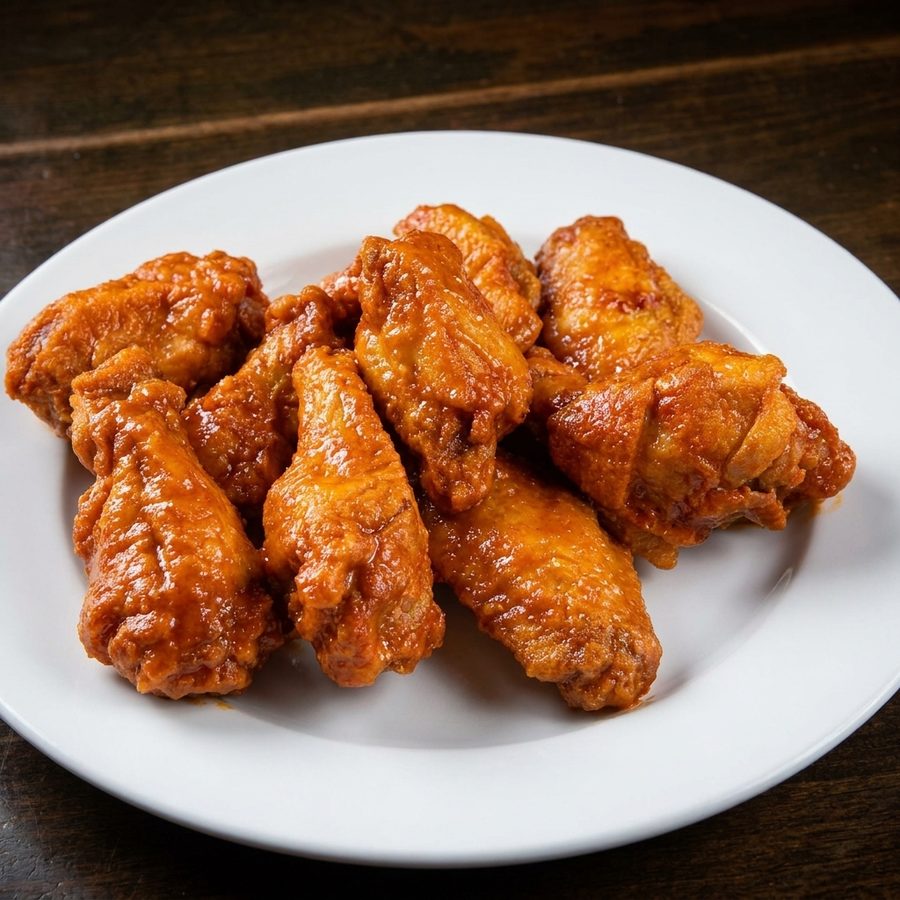
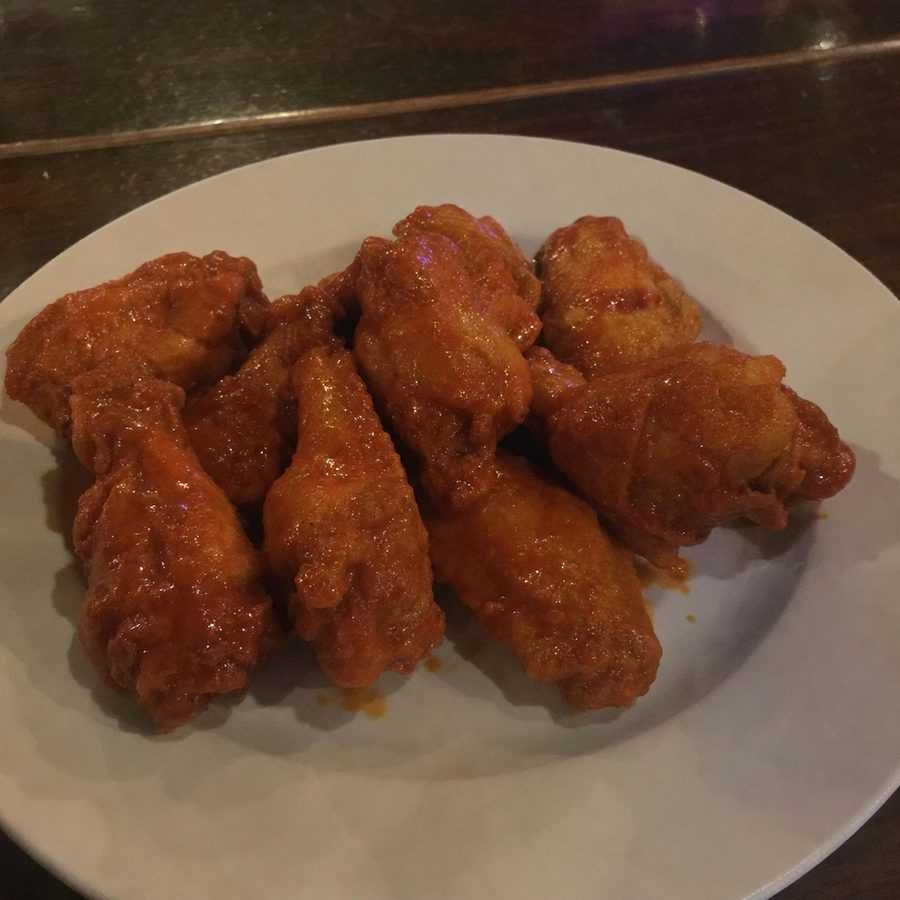
MenuCapture uses a different operating model. The restaurant photographs the real dish with a phone, then MenuCapture edits that source for a cleaner, more consistent menu presentation. The dish is not replaced with generic stock or a meal invented from a text description. The restaurant remains responsible for checking that the portion, ingredients, garnish, color, and overall identity still match what is served.
The price comparison should expose the usage assumption. MenuCapture's annual plan is $159, displayed as $13.25/mo, with up to 1,500 edits each month. Using the full monthly allowance across the annual term derives an effective cost of under 1 cent. For a smaller example, ten edits on the weekly plan derive to 24 cents from the $9 weekly plan and its included allowance. Those are usage calculations from the pricing exports, not separate per-image products.
The source-photo requirement is the honest limit. Editing cannot reveal a dish hidden by motion blur, repair food that is outside the frame, or supply a missing viewpoint. It also cannot style the physical plate, move a light while the food is fresh, or capture an interior that was never photographed. The smartphone menu photography guide gives a practical capture workflow, while the broader food photography guide covers light, framing, and preparation.
AI editing fits recurring menu operations because the restaurant controls when capture happens. A new dish can be photographed when it is plated correctly, then edited to follow the same background and crop direction as the existing menu. Seasonal changes do not require finding an available seller or reserving another on-location session. Staff can also keep the untouched source and create channel-specific exports while preserving a record of the real item.
That control creates a review obligation. Every output should be compared with the source and the actual serving before it reaches a menu. Reject any result that changes a defining ingredient, portion, cooking state, garnish, packaging, or plate. AI editing is affordable food photography for restaurants only when it remains an accurate editing workflow, not a shortcut around truth in the menu.
Decision table by restaurant situation
Choose the route that solves the missing part of the workflow. A cheap edit is not useful when capture is missing, and a full shoot can be unnecessary when the restaurant already has a sound source.
| Situation | Practical route | Reason and caution |
|---|---|---|
| New menu | Local photographer when no sources exist; owner phone capture plus AI editing when staff can make consistent sources | Build a complete, accurate base set and document the visual rules for later updates |
| Single new dish | Owner phone photo plus AI editing, or a trusted freelance editor | Avoid mobilizing a shoot if the real dish is already captured clearly |
| Seasonal refresh | Repeatable phone capture plus AI editing; use one familiar freelancer if human retouching is required | Keep camera angle, plate position, background direction, crop, and approval rules consistent |
| Brand launch | Direct professional commission or a carefully vetted local photographer | Art direction, styling, interiors, people, packaging, and broad usage need capture planning and clear rights |
Stock is deliberately absent from the dish-level recommendations because it does not document the restaurant's product. Whatever route is chosen, evaluate whether the image remains accurate at the ordering point and whether the update process can be repeated without rebuilding the visual system.
When a cheap human option beats AI
A fair way to compare quotes and tools
Give every human provider the same brief: location, dish list, source-photo status, intended channels, required crops, deadline, styling needs, final-file expectations, commercial usage, and approval process. Ask which parts are included and which require another supplier. A marketplace profile, on-demand booking page, and direct photographer proposal become comparable only after the output is defined.
Test an editing route with a representative real dish, not the easiest image in the library. Inspect food identity, edge quality, shadows, plate shape, color, crop flexibility, and whether the output still looks like the serving. Save the untouched original. If a result changes what the customer would reasonably expect, do not publish it.
For ongoing work, record the time spent capturing, briefing, transferring, reviewing, revising, and exporting. Also record whether images are accepted by their intended channels and whether they remain current when recipes or portions change. The right system is the one the restaurant can maintain accurately, not simply the listing with the smallest visible number.
MenuCapture's annual option is $159, shown as $13.25/mo. The weekly option is $9. 30-day money-back guarantee. Cancel anytime. Those choices suit different update cadences, but neither removes the need for a decent source and restaurant approval. If the next assignment needs physical capture, compare local human scopes instead.
Shoot it during service, use it everywhere
When a usable source photo already exists, editing fits into the service you already run. Shoot the plate as it goes out, clean it up once, and let one image cover every channel.
- Shoot the plate during prep or a normal service, right at the pass
- Upload it to MenuCapture from your phone or your laptop
- Get a menu-ready image in about a minute
- Use one image for the print menu, DoorDash, Uber Eats, Google Business Profile, and Instagram
Frequently asked questions
The cheapest suitable route depends on what already exists. If a restaurant has a decent phone photo of the real dish, AI editing can be economical: MenuCapture's annual plan is $159, shown as $13.25/mo, with up to 1,500 edits each month. Stock can cost little but does not represent the actual menu item. If no usable source exists, a local human who can capture the dish is the relevant comparison.
Gigs indexed on fiverr.com as of July 2026 list roughly $10 for photo editing to $250 for brand shoots, according to Fiverr category listings, July 2026. Those listings are not equivalent services. A remote editing gig commonly expects the buyer to supply a photo, while photographing the restaurant's own dishes usually requires a local shooter, location access, scheduling, and a custom scope.
A generic stock image may be licensed for marketing, but it should not stand in for a menu item if it depicts a different recipe, portion, garnish, or presentation. Delivery platforms expect item imagery to represent what customers receive. Restaurants should check the license, the intended placement, and the current platform requirements before publishing.
Snappr shoot pricing is not public as of July 2026. Its booking model may still be useful for finding and scheduling an available photographer, but a restaurant should request the current quote and confirm food experience, deliverables, licensing, travel, editing, and cancellation terms before comparing it with another route.
No. MenuCapture starts with a photo of the restaurant's real dish and edits that source. A generator can create food that was never photographed and may not match the sold item. For a menu, the restaurant should preserve the identity, portion, ingredients, and plating customers can reasonably expect.
The source should clearly show the real dish, with a clean lens, stable focus, useful light, an unobstructed plate, and enough space for the required crop. Editing cannot reliably recover food hidden by blur, glare, clipping, or another object. The restaurant should review every result against the served dish before publishing it.
A human is the better choice when no usable source photo exists, the food needs physical styling, the scene needs props or controlled lighting, or the assignment includes interiors, staff, packaging, or a brand launch. AI editing solves an editing problem. It cannot attend the restaurant or create missing capture conditions.
For recurring dishes and seasonal changes, an owner-shot workflow with consistent phone capture and AI editing gives the restaurant direct control. A freelance editor can also work when the restaurant wants human retouching and can manage briefs and handoffs. A local shooter is more appropriate whenever each update also requires fresh capture.
Keep reading
Compare Menu Photo Options
MenuCapture next to photographers, freelancers, and other tools.
MenuCapture vs Snappr
On-demand photographer booking compared with editing your own photos.
Best AI Food Photography Tools in 2026
Editors of real dish photos versus generators that invent food, compared on price and platform fit.
MenuCapture Pricing
Weekly and yearly plans with a monthly edit allowance.
Turn real phone photos into consistent menu images
MenuCapture edits photographs of a restaurant's actual dishes for recurring menu and delivery updates, with the restaurant retaining control of capture and approval.
View pricing