Online Food Photography Services
We Serve Every City
Unlike local photographers who charge travel fees and require scheduling, MenuCapture works anywhere you have an internet connection. Upload your photos and get professional results in 30 seconds.
- See the full breakdown of traditional menu photography costs
- Compare a local photographer with an online editing service
- Understand why rates swing by city while editing costs the same
- Upload phone photos and get edited results in about 30 seconds
On this page
How Online Food Photography Works
No appointments, no travel, no waiting. Here's the process.
Take Photos
Use your smartphone to photograph your dishes. Natural light near a window works great.
Upload Online
Upload your photos from anywhere: your kitchen, home, or even your car.
Get Pro Results
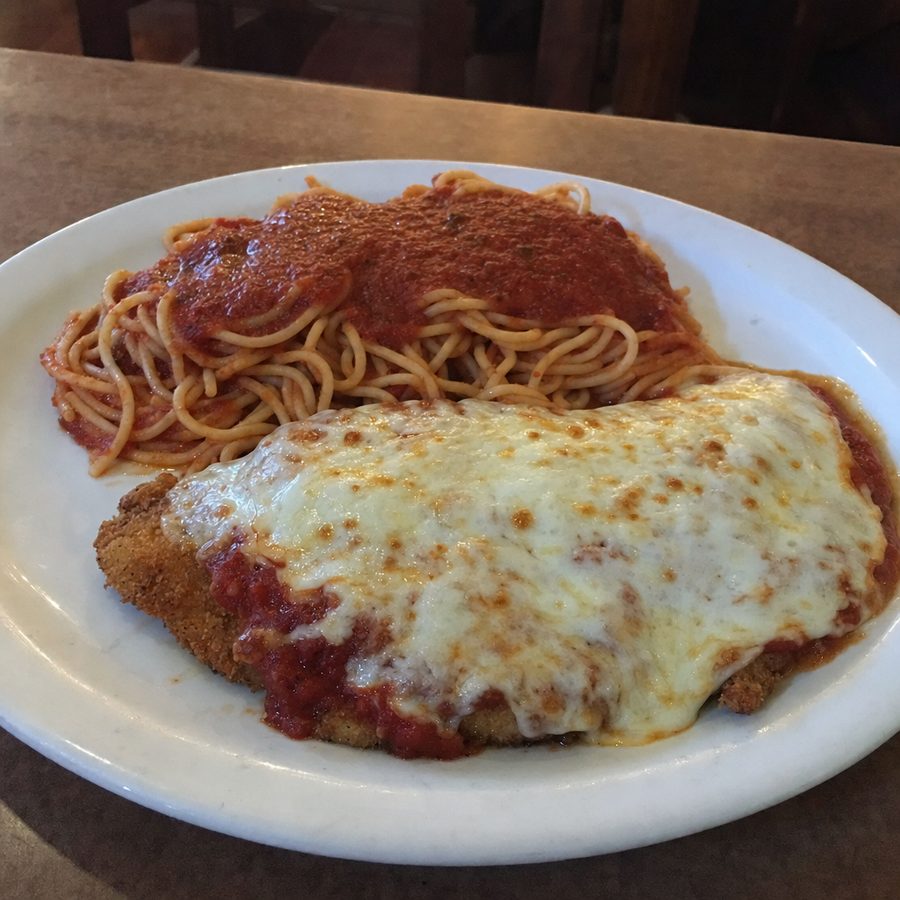
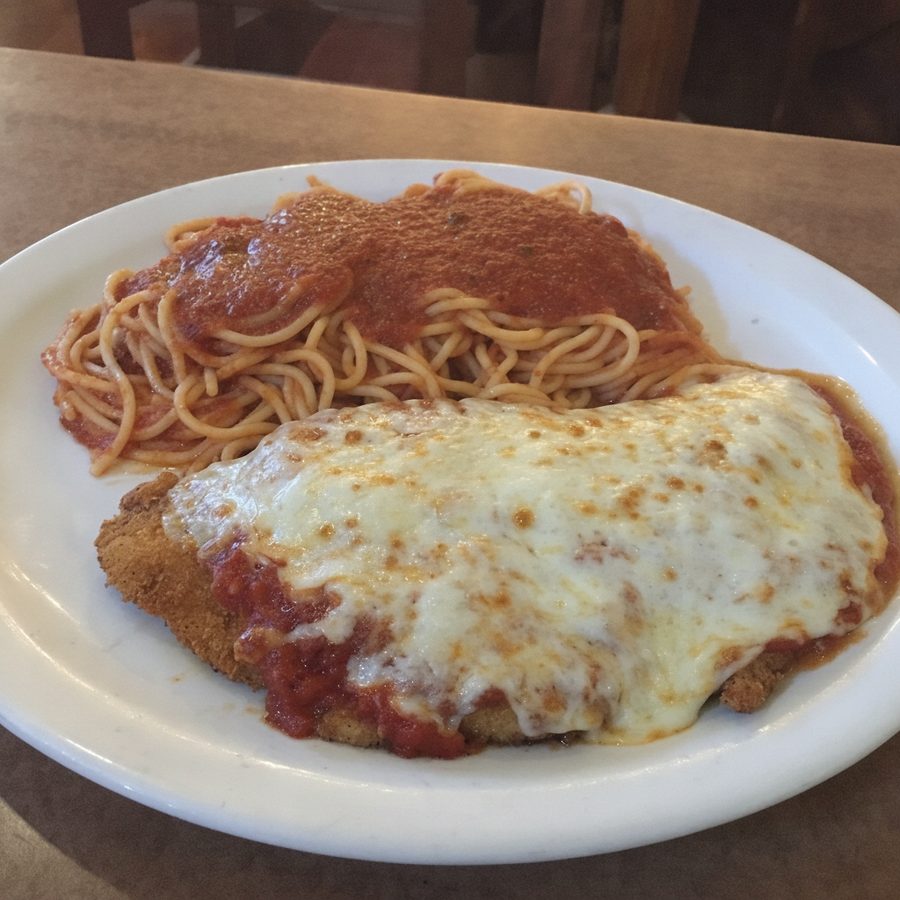
AI edits your photos in 30 seconds. Better lighting, clean backgrounds, platform-ready.
Before
After
Why Go Online Instead of Local?
Traditional food photography requires someone physically present. Online doesn't.
No Geographic Limits
The service works the same in downtown Manhattan and in a small town in Kansas.
No Scheduling
No back-and-forth emails to find a time. Upload whenever works for you.
No Travel Fees
Local photographers often add a travel charge on top of the session rate. An online service has nothing to travel to.
Instant Results
Get your edited photos back in 30 seconds, not 3-7 days.
Local Photographer vs Online Service
When you search for "food photographer near me", this is what you are comparing.
| Aspect | Local Photographer | Online Service |
|---|---|---|
| Availability | Limited to their schedule | Available 24/7 |
| Travel Fees | Often billed on top of the session | None |
| Location | Must be in your city | Works anywhere |
| Turnaround | 3-7 days | 30 seconds |
| Menu Updates | New booking required | Upload anytime |
| Original Capture | Professional equipment | Your smartphone |
| Food Styling | Often included | Not included |
Best approach: Hire a local photographer once for hero shots of your signature dishes. Use online AI editing for everything else: menu updates, seasonal items, delivery platform photos.
Restaurant Food Photography Pricing: The Full Breakdown
A traditional menu shoot is not one price. It is a stack of line items, and each one has its own market range. The figures below are US market rates for 2025 to 2026, compiled from published photographer pricing guides, so treat them as typical bands rather than quotes.
Hourly rates alone span $35 to $75 for beginners, $75 to $150 for semi-pros, and $150 to $500 for experienced professionals. Most restaurants end up buying a package, and this is what the package is made of.
| Line Item | Traditional Shoot | MenuCapture |
|---|---|---|
| Photographer (session or half day) | $500 to $2,500 | Not needed. You photograph dishes with your phone |
| Photographer, per dish or per image | $25 to $300 per dish | Covered by your plan |
| Food stylist (per day) | $500 to $1,200, standard around $650 | Text-prompt styling included |
| Studio rental (per day, major cities) | $750 to $2,500 | Shot in your own restaurant |
| Retouching and post-production | $10 to $25 per image | Included, up to 1,500 edits/month |
| Props, backgrounds, surfaces | $150 to $400 | Optional, your plates work |
| All-in menu shoot, 20 to 40 dishes | $1,200 to $3,500 (advertising grade up to $7,500) | $9/week or $159/year |
The comparison only holds if you already have usable source photos. MenuCapture edits what you shoot; it does not send anyone to your kitchen. Our restaurant food photography guide covers how to take source photos worth editing, and the AI vs traditional photography comparison goes deeper on when each option wins.
Food Photography Rates by City
Searches like "food photography pricing Miami" or "restaurant photographer Los Angeles cost" get different answers because local rates genuinely differ. The same half-day shoot can cost nearly half again as much depending on the market.
Los Angeles and New York
Roughly 45% above the national average. Photographer-only sessions commonly run $700 to $1,400 before stylist and studio costs.
Miami and Las Vegas
Above the national average as hospitality-heavy major metros, though less consistently quantified than LA or New York.
Mid-size cities (Nashville, Denver, and similar)
More moderate rates: $400 to $800 for photographer-only sessions, $1,200 to $3,500 all-in for a full menu shoot.
City variance is the strongest argument for an online service. A restaurant in Las Vegas pays Las Vegas rates for a photographer, but pays the same $9/week as a restaurant in Wichita for AI editing.
Budgeting for Menu Photos: A Restaurant Owner's Guide
Start from your menu size, not from a photographer's rate card. A 10-dish menu at per-dish rates of $25 to $300 can cost anywhere from $250 to $3,000 before styling and retouching. A 20 to 40 dish menu usually fits one half to full shoot day and lands in the $1,200 to $3,500 all-in band at mid-range rates.
Then budget for change. Menus are not static: specials rotate, dishes get replated, seasonal items come and go. Every change means either a new booking at session rates or a photo gap on your delivery listings. This recurring cost is where traditional pricing hurts most, and it is the part an online service replaces outright.
A budget that works for most independents: pay a professional once for 3 to 5 hero shots of signature dishes if brand photography matters to you, shoot everything else on your phone, and run it through AI editing as the menu evolves. Photos going to delivery apps also need to meet each platform's specs, which our delivery platform photo requirements comparison covers in detail.
How to Charge for Restaurant Food Photography
This section is for photographers pricing menu work. The published market bands give you three viable models, and the biggest mistake is mixing them mid-quote.
Hourly
$35 to $75 if you are starting out, $75 to $150 as a semi-pro, $150 to $500 with a strong portfolio. Simple to quote, but restaurants often prefer a known total, so hourly works best for short update shoots.
Per dish
$25 to $300 per dish depending on region and complexity. Check the math against real throughput before quoting: a half-day session typically yields 15 to 40 finished photos, so a low per-dish price on a 30-dish menu can underpay the day badly.
Session or package
$500 to $2,500 photographer-only. Quote the add-ons as separate line items so the client sees where money goes: stylist ($500 to $1,200 per day), retouching ($10 to $25 per image), props ($150 to $400). In LA or New York, price roughly 45% above these national bands.
Two practical notes. First, deliver platform-ready crops: DoorDash wants 16:9 landscape and Uber Eats accepts 5:4 to 6:4, so a single master framing that survives both crops is worth building into your workflow. Second, know that clients now compare your quote against AI editing at $9/week. Your edge is original capture, physical styling, and brand work, so sell those rather than competing on retouching volume.
What Better Menu Photos Return
Photography is one of the few restaurant costs where the platforms themselves publish the case for spending. Grubhub markets its free photography program with a claim of up to 70% more orders for items with photos. That is a marketing number from a platform selling the outcome, so treat it as directional, but the direction is consistent: listings with photos outsell listings without them.
The practical ROI question is cost per usable photo. At market per-dish rates, each traditional photo costs $25 to $300 and is frozen the day it is shot. At $9/week with up to 1,500 edits per month, each AI edit costs about 2.4 cents at full usage, and you can redo it when the dish changes. The break-even math rarely takes more than one recovered order.
The full payback math, including cost per usable photo and a formula you can run with your own average ticket, is in the menu photo ROI guide. For a full cost comparison with real numbers on both sides, see our menu photography cost breakdown and the MenuCapture vs professional photographer comparison.
Restaurant-Dense Cities We Serve
From major metro areas to small towns, if you have internet, you have access to professional photo editing.
Plus 100+ More Cities
The "Any Location" Promise
Your restaurant's location doesn't determine your photo quality.
Small Town?
No local food photographers? No problem. Get the same quality editing as restaurants in NYC.
Food Truck?
Moving between locations? Your photo editing service stays with you.
Ghost Kitchen?
No customer-facing location? Then your delivery platform photos are what matter most.
Multiple Locations?
Franchise or chain? One account covers all your locations. Same style, consistent branding.
What Our Online Service Does
Frequently asked questions
US market rates published by photographer pricing guides run $25 to $300 per dish, $500 to $2,500 for a photographer-only session, and $1,200 to $3,500 all-in for a 20 to 40 dish menu shoot with a stylist and basic props. Advertising-grade shoots with premium styling and studio rental reach $2,500 to $7,500.
Published market ranges: $35 to $75 per hour for beginners, $75 to $150 for semi-pros, and $150 to $500 for experienced professionals. Stylists, studio time, retouching, and props are usually billed on top.
Studio costs, demand, and cost of living. Los Angeles and New York run roughly 45% above the national average, and Miami and Las Vegas also trend above it. Mid-size cities such as Nashville and Denver land in the $400 to $800 photographer-only band. Online editing costs the same everywhere.
Pick one primary model: hourly ($35 to $500 depending on experience), per dish ($25 to $300 by region and complexity), or a session rate ($500 to $2,500 photographer-only). Quote stylist, retouching, and props as separate line items, and check your per-dish math against realistic throughput: a half-day session typically yields 15 to 40 finished photos.
$9/week or $159/year, with up to 1,500 photo edits per month. On the weekly plan that works out to about 2.4 cents per photo if you use the full allowance, against market rates of $25 to $300 per dish for a traditional photographer.
Yes. MenuCapture is an online service that works anywhere with an internet connection. A restaurant in Los Angeles, a small town in Iowa, and a food truck between locations all get the same photo editing.
You take photos of your dishes with your smartphone, upload them to MenuCapture, and the AI edits them in about 30 seconds. No scheduling, no waiting, no travel fees. Upload anytime, from anywhere.
For menu photos, daily updates, and delivery platform listings, yes. AI can fix lighting, colors, and backgrounds just as well. For original content creation, physical food styling, and event coverage, hire a local photographer.
A modern smartphone (iPhone 11+ or similar Android) and decent lighting. Natural window light works great. No professional equipment needed.
Yes. One account covers every location, so franchises and multi-unit operators keep a consistent photo style without hiring photographers in each market. Food trucks and ghost kitchens can upload from a commissary kitchen or wherever they work.
Keep reading
Cheap Food Photography for Restaurants (2026)
Stock photos, Fiverr and freelance gigs, on-demand platforms, and AI editing, every cheap option compared.
Menu Photo ROI: Order Lift, Cost Per Photo, and Payback Time
Calculate menu photo returns using shoot costs, usable-photo costs, platform order-lift claims, and your own payback assumptions.
How Much Does Food Photography Cost in 2026?
Real shoot rates, hidden costs, budget scenarios, and where AI editing changes the math.
Alternative to Hiring a Food Photographer
Compare the cost of a professional menu shoot with AI editing for photos you already have.
Professional Photo Editing, Wherever You Are
Stop searching for "food photographer near me." Start with photos you take yourself, and let AI handle the rest.
Start Editing Photos